
Child Constipation: Causes, Symptoms & Proven Solutions for Parents
Reviewed by Pediatric Constipation Specialists
This article was written and reviewed by a Registered Dietitian and Pediatric Pelvic Floor therapist who specialize in childhood constipation and digestive health. The information is based on clinical experience working with children and families affected by chronic constipation.
If you’re asking yourself, “Why is my child constipated?” — you’re not alone. Constipation is one of the most common digestive issues in children, affecting toddlers, school-aged kids, and even teenagers. For parents, it can be stressful, confusing, and sometimes scary, especially when your child is uncomfortable or in pain.
The good news is that most cases of child constipation are functional, meaning there’s no serious medical condition causing it. In this guide, we’ll explain the most common causes of constipation in children, the signs parents should watch for, and what you can do to help your child poop more comfortably and regularly.
Who This Guide Is For
This guide is for parents who are:
Dealing with ongoing or recurring constipation
Tired of trying diet changes that don’t seem to work
Worried about painful bowel movements or stool withholding
Looking for gentle, long-term solutions, not quick fixes
At The Constipation Gurus, we work with families every day who feel overwhelmed and unsure what to do next. The strategies shared here reflect what we see most often in real children — not just textbook definitions.
What Is Constipation in Children?
Constipation in children is commonly defined by its patterns, symptoms, and causes — including fewer than three bowel movements a week and hard, dry stools — based on well‑established pediatric guidance such as the symptoms and causes of constipation in children.
These symptoms are consistent with what pediatric providers describe in their overview of the symptoms and causes of constipation in children. Additionally, in our clinic we see constipation resulting from straining or withholding of poop and fear or avoidance of using the toilet.
Some children may poop daily and still be constipated if stools are hard or painful to pass or if they are unable to have a complete bowel movement due to pelvic floor dysfunction.
Understanding why your child is constipated is the first step toward fixing the problem. In most cases, constipation develops due to a combination of diet, behavior, and routine changes rather than illness.
Common Causes of Constipation in Children
Most childhood constipation is considered functional constipation in children, meaning it is related to diet, hydration, and behavior rather than disease.
Pediatric digestive specialists describe diet, fluid intake, and withholding behavior as some of the common causes of constipation in children.
Constipation in children rarely happens for just one reason. In most cases, it develops due to a combination of things. Understanding these common causes can help parents identify what may be contributing to their child’s constipation — and what needs to change.
Low Fiber Intake
One of the most common causes of constipation in children is not eating enough fiber. Fiber adds bulk to stool and helps it move through the digestive tract more easily.
Fiber helps soften stool and support regular bowel movements, which is why pediatric experts recommend fruits, vegetables, beans, and whole grains for children with constipation.
Many children’s diets are heavy in:
White bread, pasta, and rice
Processed snacks and crackers
Cheese and other dairy products
When fiber-rich foods like fruits, vegetables, beans, and whole grains are missing, stools can become hard, dry, and difficult to pass. These foods can be especially lacking for kids who are picky eaters.
Not Drinking Enough Fluids
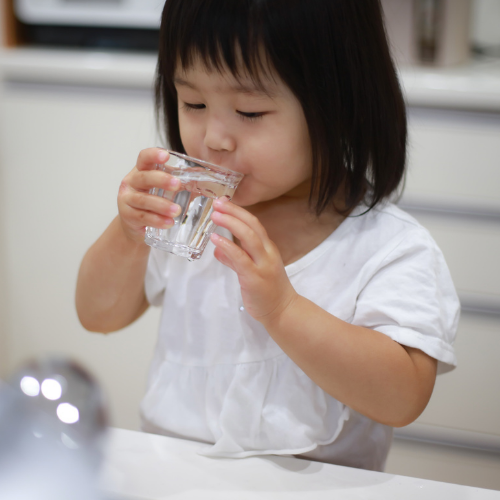
Even if a child eats enough fiber, insufficient fluid intake can still lead to constipation. Fluids help soften stool and keep the bowels moving. In fact, increasing fluid intake is the first recommendation in our clinic.
Adequate fluid intake is essential for soft stools, a point emphasized by pediatric digestive health specialists. When a child isn’t drinking enough water, the body becomes dehydrated causing fluid to be pushed to other systems in the body. This leaves less water in the poop, making it harder and difficult to pass.
Children who are busy playing or attending school often forget to drink water. This can cause stools to become dry and painful, especially in warm weather or during physical activity.
Signs your child may not be drinking enough include dark urine, infrequent urination, and hard bowel movements.
Withholding Stool (Holding It In)
Withholding is a major contributor to chronic constipation in children. Many children ignore the urge to poop because they are:
Afraid it will hurt
Busy playing
Uncomfortable using public or school bathrooms
When stool is held in, it stays in the colon longer, where more water is absorbed. This makes stools larger and harder, leading to more pain — and even more withholding. Over time, this cycle can become difficult to break.
Painful Bowel Movements
A child who has experienced a painful or scary bowel movement may begin to avoid going to the toilet altogether. Even one painful episode can cause fear and anxiety around pooping.
Children’s hospitals frequently describe a cycle where painful bowel movements lead to withholding, which then worsens constipation over time.
This fear often leads to:
Standing stiffly or clenching
Crossing legs or hiding
Refusing to sit on the toilet
Unfortunately, avoiding bowel movements only makes the next one more painful.
What We Commonly See
Many children we work with began withholding stool after just one painful bowel movement. Over time, this creates a cycle of fear, holding, and worsening constipation — even when diet changes are made.
Toilet Training Challenges
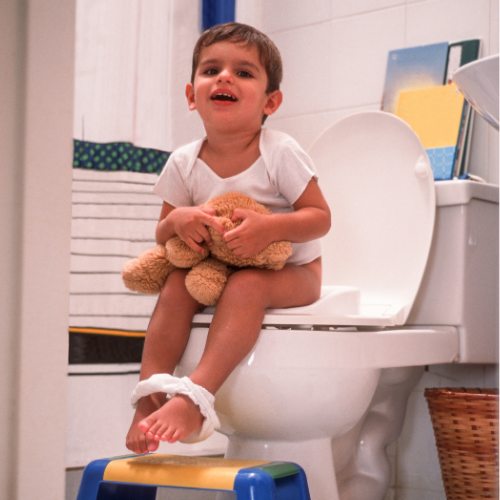
Constipation commonly begins during toilet training. Children may resist sitting on the toilet, feel pressured, or struggle with changes in routine.
Common toilet-training related causes include:
Being rushed or forced to use the toilet
Lack of foot support while sitting
Not feeling relaxed or safe on the toilet
If a child doesn’t feel stable or comfortable, they may not be able to fully relax the muscles needed to poop.
Changes in Routine or Environment
Children thrive on routine. Changes such as:
Starting daycare or school
Traveling
Moving homes
Changes in meal schedules
can disrupt normal bowel habits. When regular toilet times are skipped or delayed, constipation can develop.
Diet High in Dairy and Processed Foods
Some children are sensitive to large amounts of dairy, particularly cheese and milk. Diets high in dairy and low in fiber can slow digestion and contribute to constipation.
Highly processed foods also tend to be low in fiber and can worsen symptoms.
Low Physical Activity
Physical movement helps stimulate the digestive system. Children who spend long periods sitting — such as watching screens or doing schoolwork — may experience slower bowel movements.
Regular physical activity encourages healthy digestion and more consistent bowel habits.
Emotional Stress or Anxiety
Emotional factors can play a role in constipation. Stress related to:
School
Social situations
Family changes
can affect how the digestive system functions. Some children unconsciously hold stool when feeling anxious or overwhelmed.
Medical Causes (Less Common)
In most children, constipation is functional, meaning there is no underlying disease. However, in rare cases, constipation may be related to medical conditions or medications.
Parents should consult a healthcare provider if constipation:
Starts in infancy
Is accompanied by weight loss or vomiting
Does not improve with dietary and behavioral changes
What Parents Can Do at Home to Help Constipation
The good news is that most childhood constipation can be improved at home with a few consistent changes. The goal is to make bowel movements softer, more regular, and less stressful for your child.
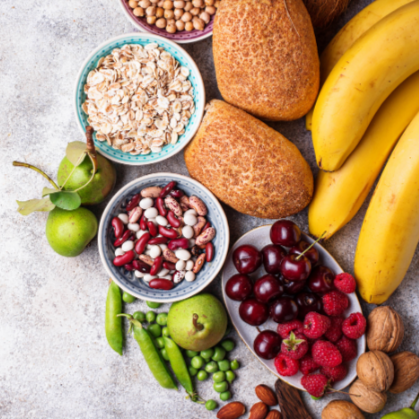
Focus on Fiber-Rich Foods
Fiber helps stool stay soft and move through the digestive system more easily. Gradually increasing fiber can make a big difference.
Helpful high-fiber foods include:
Fruits like pears, plums, peaches, and berries
Vegetables such as broccoli, peas, and carrots
Beans and lentils
Whole-grain bread, oatmeal, and brown rice
Increase fiber slowly to avoid gas or bloating, and always pair fiber with enough fluids. Adding a prebiotic can also be good way to boost your child’s fiber intake.
Encourage Drinking Enough Fluids
Water is essential for preventing hard stools. Children often need reminders to drink, especially during school or play.
Tips to increase fluid intake:
Offer water regularly throughout the day
Send a water bottle to school
Include water-rich foods like fruit and soups
Flavor your child’s water with a splash of juice or adding a no sugar added flavoring.
Adequate hydration helps fiber do its job and keeps stools soft.
Establish a Regular Toilet Routine
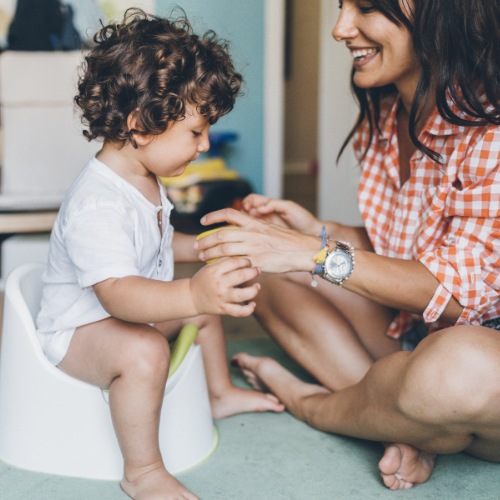
Consistency helps train the bowels. Encourage your child to sit on the toilet at the same time each day, especially after meals when the body naturally triggers the urge to poop.
Helpful routine tips:
Have your child sit for 5–10 minutes after breakfast or dinner
Keep the environment calm and pressure-free
Praise effort, not results
Avoid forcing or rushing — relaxed time on the toilet is key.
Improve Toilet Positioning
Proper posture can make pooping much easier, especially for young children.
Try:
A footstool so your child’s feet are supported
Knees slightly higher than hips
Leaning forward with elbows on knees
This position helps relax the pelvic muscles and allows stool to pass more easily. Check out our downloadable Potty Posture Poster to hang in your bathroom.
Address Stool Withholding Gently
If your child is holding in poop, it’s important to break the cycle without shame or pressure.
What helps:
Reassure your child that pooping shouldn’t hurt
Avoid punishment or negative reactions
Celebrate small wins and progress
Reducing fear and anxiety around bowel movements can make a big difference.
Encourage Daily Physical Activity
Movement helps stimulate digestion. Regular physical activity can support more consistent bowel movements.
Simple ways to encourage movement:
Outdoor play
Walking or biking
Dancing or active games
Even short periods of activity can help get things moving.
Watch Constipating Foods
Some foods can slow digestion, especially when eaten in large amounts.
Foods to limit if constipation is an issue:
Cheese and excessive dairy
Processed snacks and fast food
White bread, white rice, and refined grains
Balance these foods with fiber-rich options instead of eliminating them completely.
Be Patient and Consistent
Improving constipation doesn’t usually happen overnight. It may take several weeks of consistent habits for bowel movements to become regular and comfortable again.
Stick with changes even after symptoms improve to prevent constipation from returning.
These strategies are intended to support healthy bowel habits. They are not a substitute for medical care, especially if symptoms are severe, persistent, or concerning.
When to See a Doctor for Child Constipation
Pediatric healthcare providers are trained to evaluate constipation and rule out rare medical causes, especially when symptoms persist or fall outside typical patterns.
Most constipation in children can be managed at home with diet, fluids, and routine changes. However, there are times when it’s important to seek medical advice to rule out underlying issues and prevent complications.
Constipation That Doesn’t Improve
You should contact your child’s doctor if:
Constipation lasts more than two to three weeks
Home strategies aren’t helping
Bowel movements remain hard or painful
Persistent constipation may require medical guidance or a structured treatment plan.
Severe Pain or Distress
Seek medical attention if your child experiences:
Ongoing or severe abdominal pain
Pain that interferes with daily activities
Crying or extreme fear related to pooping
Severe pain should never be ignored.
Blood in the Stool
Small streaks of blood may occur from anal fissures caused by hard stools. However, you should see a doctor if:
Bleeding happens repeatedly
Blood is mixed into the stool
Bleeding is accompanied by pain or other symptoms
A healthcare provider can determine the cause and provide appropriate treatment.
Accidents or Stool Leakage
If your child is having:
Stool accidents after being toilet trained
Frequent underwear staining
this may be a sign of chronic constipation with stool buildup known as Encopresis. Medical support can help address this safely and effectively.
Constipation Beginning in Infancy
Constipation that:
Starts in the first few months of life
Is present since birth
should always be evaluated by a healthcare provider to rule out rare medical causes.
Poor Growth or Weight Loss
See a doctor if constipation is accompanied by:
Poor appetite
Weight loss or failure to gain weight
Delayed growth
These symptoms may suggest an underlying condition that needs further evaluation.
Vomiting or Swollen Abdomen
Seek medical care promptly if your child has:
Vomiting along with constipation
A visibly swollen or hard abdomen
These symptoms require immediate medical attention.
Need for Regular Laxatives
If your child relies on laxatives regularly or symptoms return quickly after stopping them, a doctor can help create a safe, long-term plan and prevent ongoing cycles of constipation
Reassurance for Parents
In the vast majority of cases, childhood constipation is not caused by serious illness. Seeing a doctor doesn’t mean something is wrong — it simply ensures your child gets the right support to feel better and stay regular.
FAQs About Child Constipation
How long can a child go without pooping?
Most children should have a bowel movement at least every 1–2 days. Going 3 days or longer without pooping can be a sign of constipation, especially if stools are hard, painful, or your child is avoiding the toilet.
Is my child constipated even if they poop every day?
Yes. Some children poop daily but still have constipation if stools are hard, painful, very large, or incomplete. Daily pooping does not always mean healthy bowel function.
Why does my child say it hurts to poop?
Pain usually comes from hard or large stools stretching the rectum. After one painful experience, many children begin holding their poop, which makes constipation worse over time.
Can diet alone fix my child’s constipation?
Diet can help, but constipation in children is often not just a fiber problem. If stool withholding, fear, or rectal stretching are involved, diet changes alone are usually not enough.
When should I worry about constipation in my child?
You should seek help if constipation lasts more than a few weeks, causes pain, stool accidents, withholding behaviors, or affects bladder control (pee accidents or bedwetting).
Need Extra Support for Your Child’s Constipation?
If your child has been struggling with constipation for a while, you’re not doing anything wrong — and you’re not alone. Many families find that even with diet changes and routines, constipation can be hard to fully resolve without guidance.
At The Constipation Gurus, we specialize in helping children overcome chronic constipation using gentle, evidence-based strategies that focus on long-term relief, not quick fixes. Our approach supports both the child and the parent, so everyone feels more confident and less stressed.
If you’d like help understanding your child’s constipation and what steps to take next, our Poop Boot Camp is a great place to start.
👉 You don’t have to figure this out on your own.