
Encopresis in Children: Causes, Symptoms & Effective Solutions for Withholding
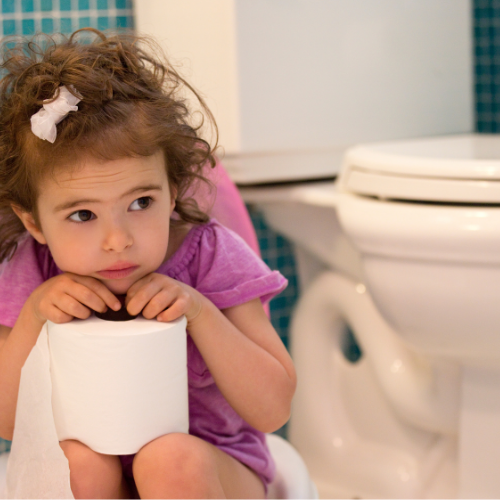
Encopresis in children is a common but often misunderstood condition that can be incredibly stressful for both kids and parents. Many children with encopresis struggle with stool withholding, accidents, and chronic constipation — even after they’ve been potty trained.
If your child is hiding, avoiding the bathroom, or having frequent stool accidents, you’re not alone — and you’re not doing anything wrong. In this article, we’ll explain what encopresis is, why children withhold stool, and what actually helps children overcome it safely and effectively.
What Is Encopresis in Children?

The encopresis definition is when stool repeatedly passes into clothing. To our clients, encopresis means:
Stool accidents in underwear
Smearing or leakage
Avoiding the toilet
Large or painful bowel movements
Hiding to poop
Usually, encopresis is seen in children four years and older who have completed potty training. However, we’ve had clients in their teens and even in college with encopresis.
What Causes Encopresis and Stool Withholding?
Encopresis develops when a child repeatedly withholds stool, leading to physical changes in the body that make pooping difficult — and accidents more likely. This process is not intentional, behavioral, or anyone’s fault.
Painful Bowel Movements and Constipation
Encopresis often begins with constipation and painful bowel movements. When a child holds in poop, more and more stool becomes compacted in the rectum. Over time, that stool dries out, becomes hard, and is painful to pass.
As the body continues to make fresh poop, it is usually softer than the older stool that has been sitting in the rectum. This softer stool can leak or seep around the hardened stool, which is what parents often see in their child’s underwear. This leakage is a common and confusing sign of encopresis — but it is a physical process, not a choice.
Normally, a young child produces about one-half to one cup of stool per day. When that stool isn’t fully released, the backup builds quickly.
Fear of Pooping and Stool Withholding
After experiencing pain, children often begin to avoid pooping to prevent it from happening again. Once kids have been through potty training and have learned how to “hold it,” they can use those same muscles to delay going to the bathroom — just like adults do when it’s not a good time.
We’ve all done it: felt the urge to go and decided to wait. Children make this same decision, especially if they associate pooping with discomfort, fear, or stress. Over time, this avoidance becomes stool withholding, even when the body needs to release.
Annette has a helpful video that visually explains what happens when a child holds onto poop. Many families find it useful to watch it together, so kids can better understand what’s happening in their bodies.
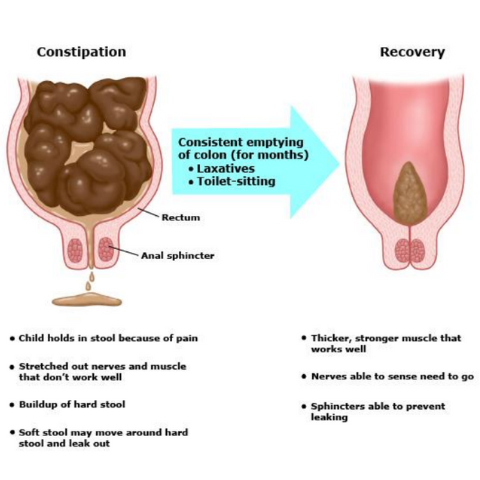
Photo Credit George D Ferry, Up to Date 2011
How the Rectum Adapts Over Time
As the rectum repeatedly stretches to hold more stool, it begins to adapt — but not in a helpful way. Think about an old bathing suit or clothing with elastic: if it’s stretched over and over, you may hear a crackling sound as the elastic breaks down. The same thing can happen with the rectum.
As the rectum stretches, it loses elasticity. Over time, the nerves in the rectum stop sending clear signals to the brain that it’s time to poop. This means many children don’t feel the urge to go, even when their rectum is full.
Because of this, children with encopresis often do not realize an accident is happening until they see or feel it afterward.
Why Encopresis Is Not a Child’s Fault
Children going through encopresis do not want to poop their pants. They are not being lazy, defiant, or sneaky. Accidents often happen without their awareness, and many children feel deep shame or fear about talking to their parents about it.
Encopresis is not your child’s fault — and it’s not yours either. It is the result of how the body adapts when stool is repeatedly held in the rectum. Understanding this physical process is the first step toward effective encopresis treatment
Why Punishment and Pressure Make Encopresis Worse
When a child has encopresis, it can be tempting for parents to try stricter rules, reminders, or consequences in hopes of stopping accidents. Unfortunately, punishment and pressure often make encopresis and stool withholding worse, not better.
Encopresis is not a behavior problem. In most cases, it develops after chronic constipation in children and painful bowel movements, which teach a child’s body and brain to associate pooping with discomfort or fear. When a child feels pressured to use the toilet — or shamed for accidents — their nervous system goes into protection mode. This causes them to withhold stool , even when they want to go.
Pressure can take many forms, including:
Frequent reminders to “try” to poop
Punishment or loss of privileges for accidents
Expressing frustration, disappointment, or urgency
Making toileting a power struggle during potty training
All of these approaches increase anxiety, which directly interferes with the body’s ability to relax and have a bowel movement. Over time, withholding leads to larger, harder stools, more pain, and more accidents — reinforcing the cycle of encopresis.
It’s important for parents to know that children with encopresis are not lazy, defiant, or manipulative. They are responding to a real physical and emotional feedback loop. The most effective treatment focuses on reducing fear, rebuilding trust in the body, and creating a sense of safety around toileting — not control or punishment.
By removing pressure and shifting toward support and consistency, families can begin to break the cycle of stool withholding and help children regain confidence and comfort with bowel movements.
How to Help a Child Overcome Encopresis and Withholding
The good news is that encopresis can be treated, and normal bowel function can return. The earlier stool withholding and encopresis are addressed, the easier it is for a child’s body to recover and relearn healthy bowel habits.
Step 1: Reduce Pain and Fear Around Pooping
The first and most important step is addressing why your child is holding onto their poop. Talking with your child in a calm, non-judgmental way can help you understand what’s getting in the way.
Common reasons — and how to help — include:
Physical discomfort:
If the toilet or toilet seat is uncomfortable, make it more inviting. A padded toilet seat or footstool can help your child feel more secure and relaxedFear of missing out (FOMO):
Some children avoid pooping because they don’t want to stop playing. You can explain that when they go regularly, pooping becomes quicker and easier — meaning they’re less likely to miss out on activities.Painful bowel movements:
If your child has had painful poops in the past, it’s natural for them to be afraid. You can reassure them that while pain can happen, it doesn’t happen every time. If your child is constipated, it’s important to address constipation directly
Step 2: Address Constipation and Support Regular Bowel Movements
If withholding has progressed into encopresis, professional support is often the most effective path forward. Chronic constipation and stool retention usually require a structured and consistent plan to help the body reset.
With the families we work with, we typically start by:
Addressing any constipation issues
Learning about your child’s withholding patterns
Developing a plan that feels doable and supportive for both parent and child
Regular bowel movements allow the rectum to slowly regain its normal size and sensitivity, which helps reduce accidents over time.
Successful treatment focuses on reducing withholding first, then supporting the body as it regains normal sensation and function.
The good news is that encopresis can be treated, and normal bowel function can return. The earlier it’s addressed, the easier it is to recover from.
We recommend addressing withholding first. Talking with your child can help you learn why they are holding on to their poop. Then, you can work with them to get them to poop regularly. For example:
● If the toilet or toilet seat is uncomfortable, look for ways to make it more comfortable — maybe add a padded toilet seat.
● If they’re having FOMO (fear of missing out), talk with them about how it becomes easier and quicker to go when they go consistently, so they’ll be less likely to miss something.
● If they’ve had painful poops, you can explain that does happen sometimes, but not every time. If your child is constipated, work with them to address their constipation.
If withholding has advanced into encopresis, then professional help is your best bet. We’ve worked with many children and parents on encopresis and have had great outcomes.
Step 3: Work With the Right Professionals
When encopresis is present, working with specialists who understand both the physical and emotional aspects of the condition can make a significant difference.
We often recommend a team approach, including:
A pediatric pelvic floor specialist (like Annette) (internal link to Annette’s page or pelvic floor therapy resource)
A pediatric dietitian experienced in constipation, encopresis, and enuresis (like Jessica)
We’ve worked with many children and parents navigating encopresis and stool withholding and have seen excellent outcomes when families receive the right guidance and support.
Step 4: Create a Supportive, Low-Pressure Plan
Overcoming encopresis takes time, patience, and consistency. The most effective plans:
Remove pressure and punishment
Focus on safety, trust, and predictability
Support both the child’s body and emotions
With the right plan in place, children can rebuild confidence, regain body awareness, and return to healthy, comfortable bowel habits.
Quick Summary: Helping a Child With Encopresis
Encopresis is treatable, and bowel function can return
Address stool withholding first, then constipation
Reduce fear, pain, and pressure around pooping
Consistency and professional support speed recovery
With the right plan, children regain confidence and control
How Long Does It Take for Encopresis to Resolve?
One of the most common questions parents ask is: “How long will this last?” The answer depends on several factors, including how long the child has been withholding stool, the severity of constipation, and how quickly treatment begins.
Typical Timeline
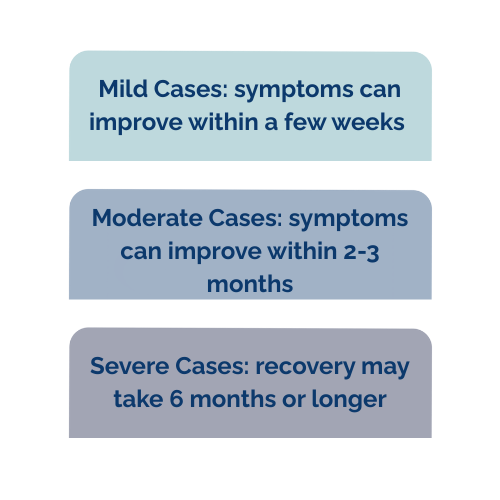
Mild withholding or early encopresis:
If your child is just beginning to withhold stool, symptoms can improve within a few weeks with consistent support, reassurance, and proper constipation management
Moderate cases:
For children who have been withholding stool for months, the rectum may have stretched and lost some sensitivity. In these cases, retraining the bowel and reestablishing regular habits may take 2–3 months.Severe or chronic encopresis:
When encopresis has been ongoing for a long time, recovery may take 6 months or longer. A structured plan with professional guidance — including a pediatric pelvic floor specialist and a pediatric dietitian— can significantly speed progress.
Factors That Influence Recovery Time
Age and development: Younger children often adapt more quickly, while older children may have entrenched withholding habits.
Consistency of the plan: Regular bowel routines, positive reinforcement, and avoiding pressure are key.
Severity of constipation: Children with chronic constipation may need additional support to soften stools and improve bowel function.
Emotional support: Reducing fear, shame, and anxiety around pooping helps the rectum regain normal signals more quickly.
Key Takeaway
While there is no one-size-fits-all timeline, most children begin to see noticeable improvement within weeks to a few months with the right combination of support, professional guidance, and patience. Recovery is a gradual process, but with consistency and understanding, children can regain normal bowel habits and confidence.
Encopresis FAQs
At What Age Does Encopresis Usually Stop?
Encopresis most commonly occurs in children between 4 and 7 years old, typically after potty training. For many children, it improves as they gain better bowel control and as chronic constipation is addressed.
However, some children may continue to experience accidents into later childhood or even early adolescence if withholding has been ongoing for a long time or if constipation has not been properly treated. Early intervention usually leads to faster resolution and fewer emotional consequences.
Can a Child Outgrow Encopresis on Their Own?
Some children may experience occasional accidents that resolve naturally, especially if symptoms are mild and constipation is minimal. However, most cases do not resolve completely without intervention.
Without addressing stool withholding, constipation, or fear of pooping, encopresis can become chronic, making it harder to correct later. Early support, consistent routines, and professional guidance significantly increase the chances of a full recovery.
Is Encopresis a Behavioral Problem?
No. Encopresis is not a behavioral problem or a sign that a child is being lazy or defiant. It is almost always physiological, often caused by chronic constipation, painful bowel movements, or a stretched rectum
Behavioral challenges may appear, such as resistance or anxiety, but these are usually secondary to the pain and fear associated with pooping. Understanding this distinction is critical for parents to approach the issue with patience and support rather than punishment.
Should Laxatives Be Used for Encopresis?
Yes — in many cases, laxatives are an important part of treatment, especially when constipation is present. They help soften the stool, making it easier and less painful for the child to pass, which is essential for breaking the cycle of withholding
Laxatives should always be used under the guidance of a medical professional, who can recommend the correct type, dosage, and duration. Combining laxatives with supportive strategies — like scheduled bathroom routines, positive reinforcement, and addressing emotional fears — is the most effective way to resolve encopresis safely and quickly.
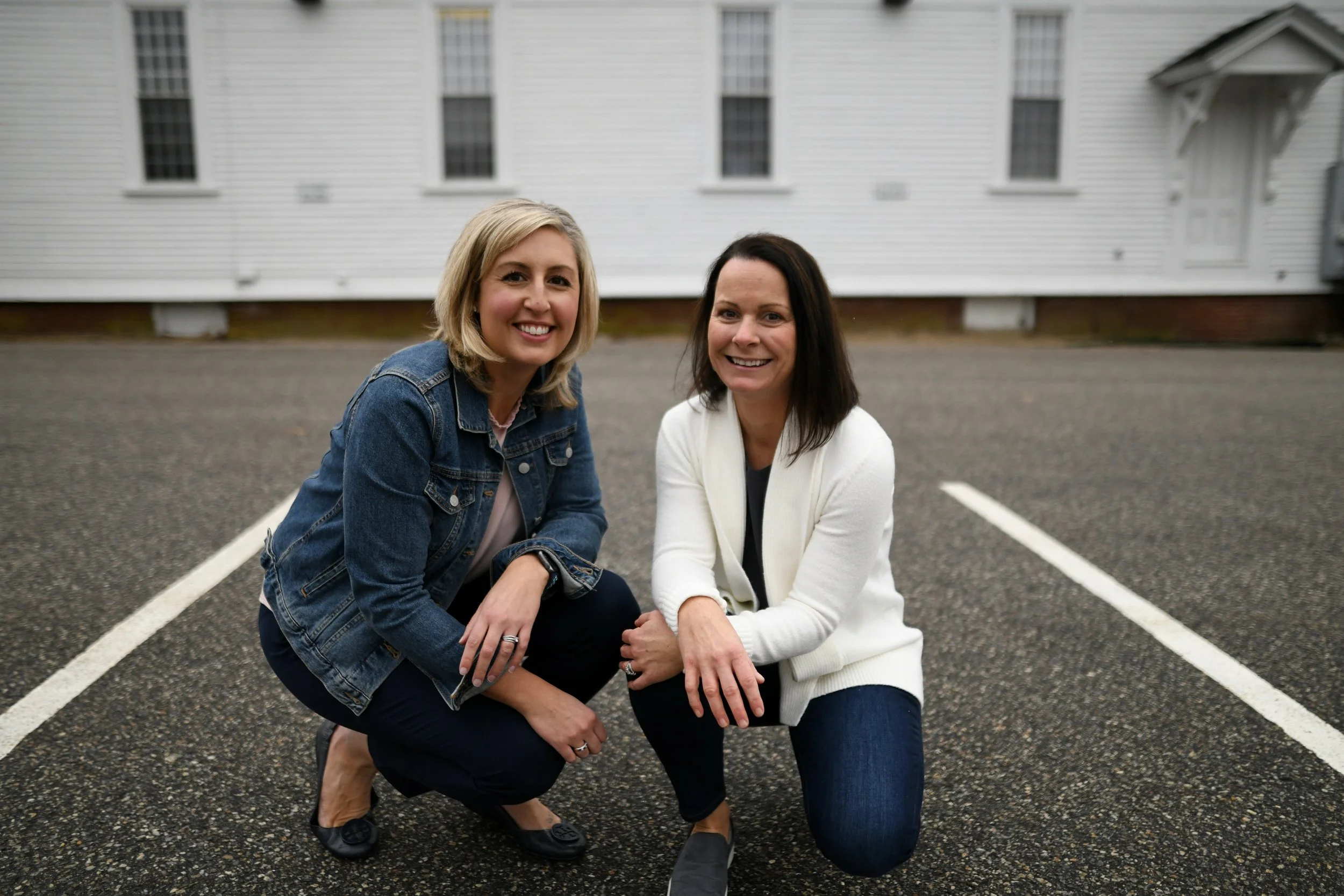
Ready to Help Your Child Feel Better?
Get a personalized plan with our Constipation Solution Package. Work with Jessica, our dietitian, and Annette, our pediatric pelvic floor specialist to tackle constipation, encopresis, and withholding — plus access Poop Boot Camp and our supportive parent community.
Last updated 2/11/2026